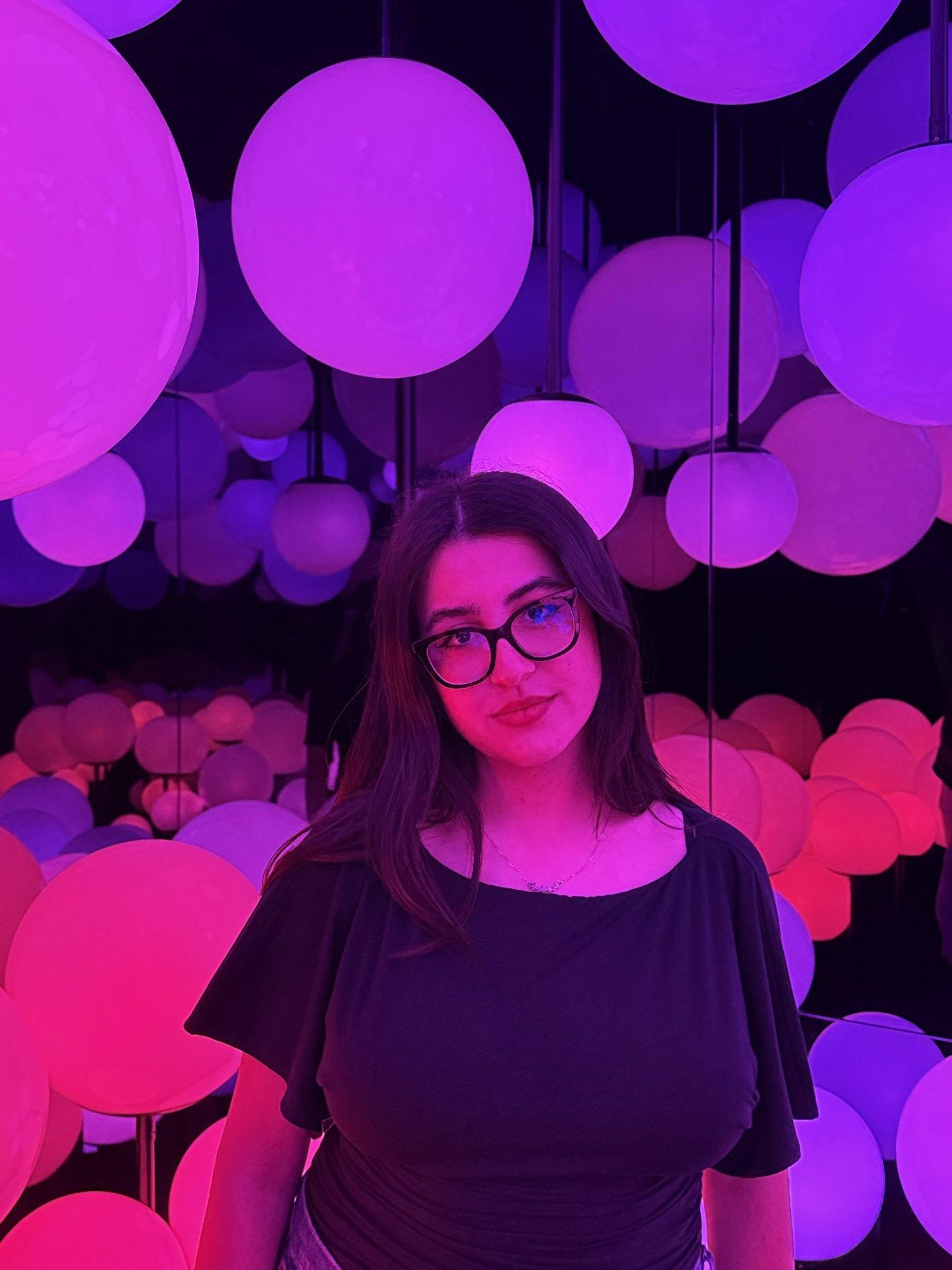
I'm a creative builder who loves turning ideas into things you can see, touch, and use. I work across hardware, software, and design, using tech to bridge gaps in accessibility, gender equality, and sustainability. Having lived and worked around the world, I value the people I meet and the relationships I build. Usually listening to music and thinking about what to build next. Scroll to learn more about me.
How might we design AI accountability coaches and human-AI relationships that support human flourishing?
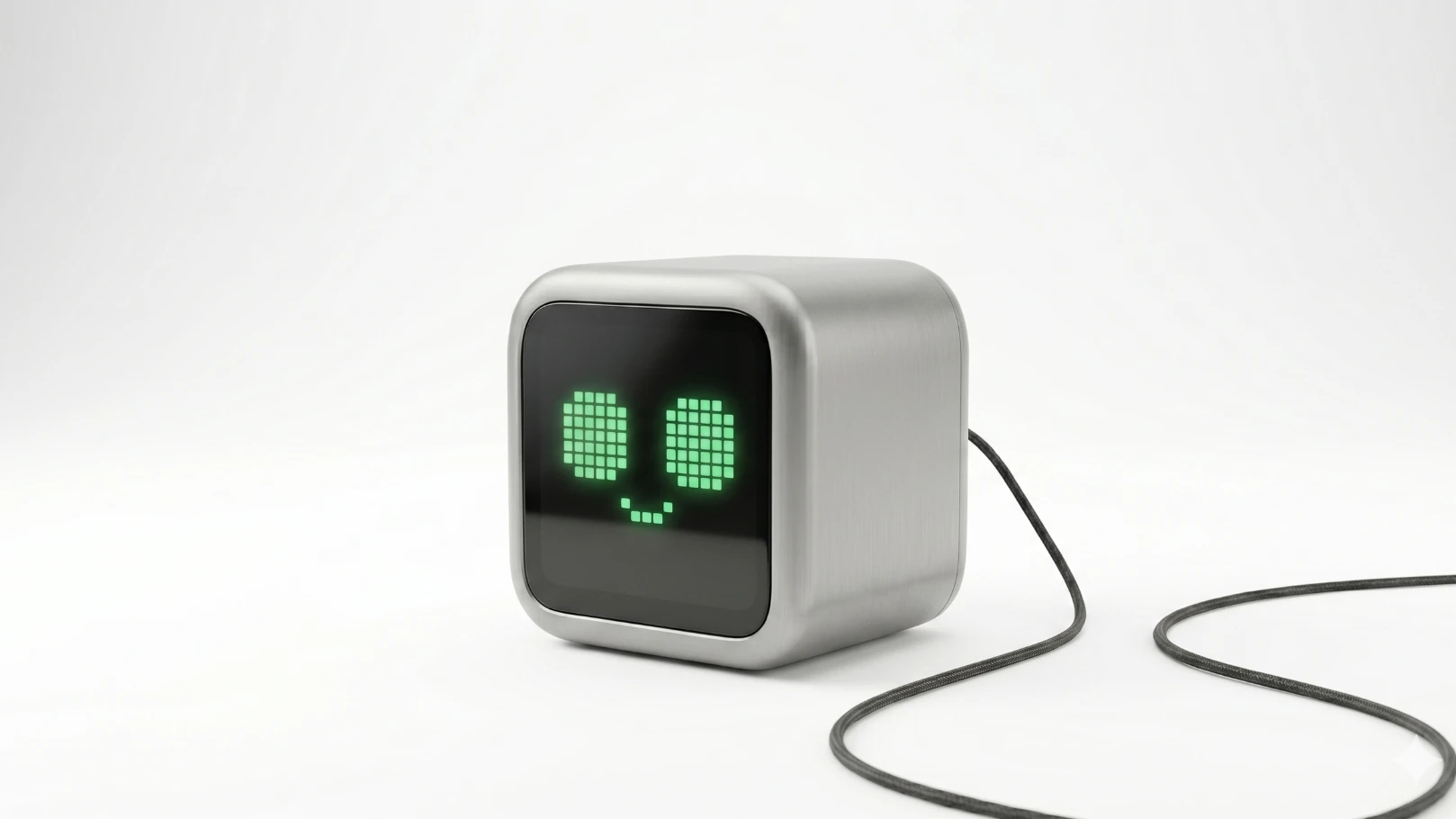
Led software design in a 5-person team over 8 months, developing Blob, an AI-powered physical desk companion using Gemini to support accountability and task completion rates of up to 95%.
Conducted 100+ user tests across the web application and physical device.
Collaborated with Google San Francisco through Minerva University's civic project partnerships.
Blob
When
2025
Where
Remote
Areas
Product · Technology · Research
How might we protect teenage users from harmful content while maintaining engagement and long-term retention on Instagram?
Proposed a 3-tier age-bracketing system (13–15, 16–17, 18+) with personalized content moderation to prevent exposure to harmful content and negative algorithmic feedback loops.
Developed an AI-based age verification framework using video selfies and mutual-friend verification, prioritizing user privacy.
Projected up to $600M in additional annual advertising revenue through improved youth retention and user re-engagement.
4–6 week consulting project in collaboration with Meta and TKS.
How might we leverage existing telecommunications infrastructure to make large-scale AI inference faster, more efficient, and commercially viable?
Designed a B2B edge computing strategy leveraging Verizon's 5G, fiber, and data center infrastructure for real-time AI inference.
Proposed AI-driven network traffic management to reduce GPU downtime, operational costs, and latency to under 10 ms.
Developed a scalable business strategy with potential to generate $14.4B in annual revenue, supported by proposed partnerships with NVIDIA, Google Cloud, and Meta.
4–6 week consulting project in collaboration with Verizon and TKS.
How might we make educational content easier to discover without disrupting TikTok's personalized For You Page?
Identified ineffective search and hashtag systems as barriers to educational content discovery through user research and data analysis.
Designed a creator-defined content categorization and filtering system to improve search relevance and connect educational creators with their target audiences.
Developed a product strategy targeting improved creator visibility, search engagement, and long-term platform revenue.
4–6 week consulting project in collaboration with TikTok and TKS.
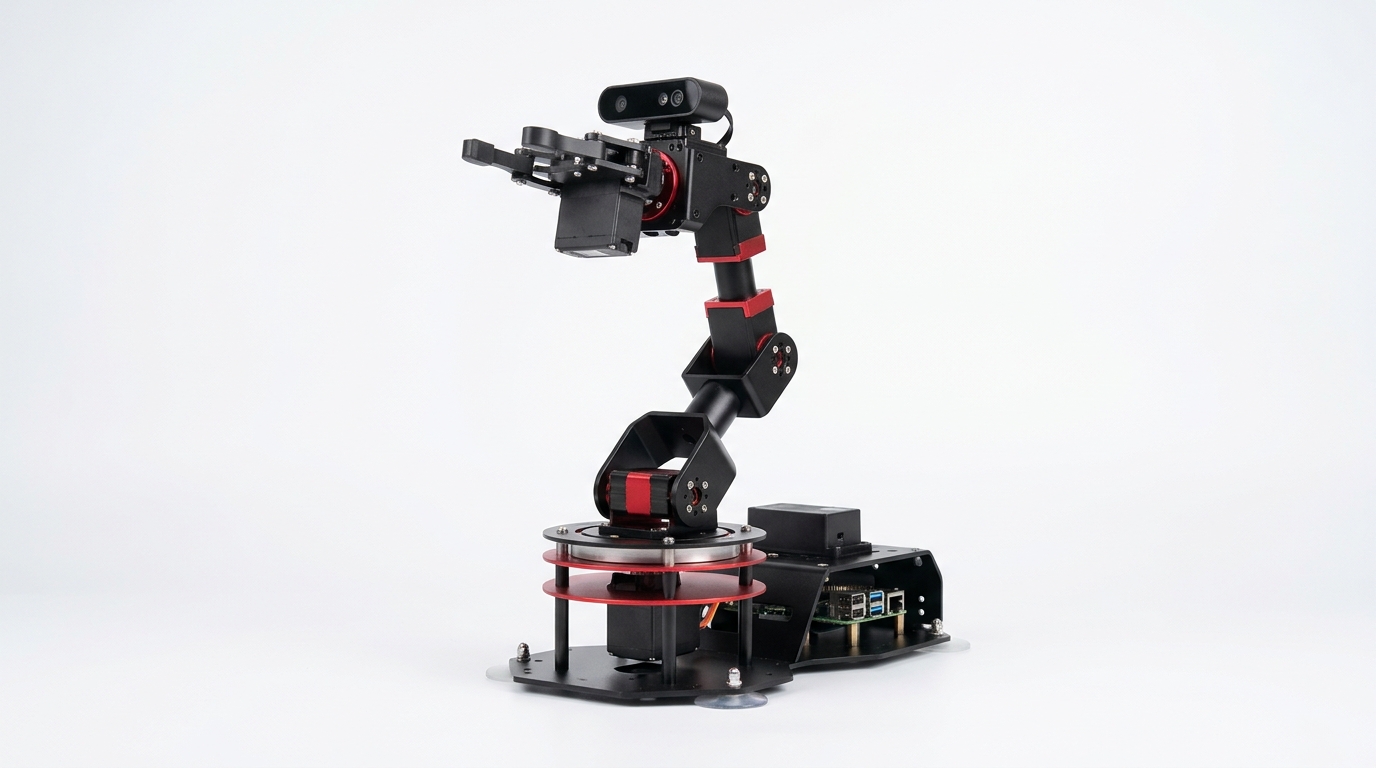
How might we provide continuous robotics lab access to students studying across 4 continents during their undergraduate degree?
Building a virtual robotics lab for 500+ students to remotely program and control 2 physical robots across 3 courses, from anywhere in the world.
Designing the web interface and integrating cloud-based software with local hardware controllers to enable remote robot operation.
Engineering the system with ROS2, Python, FastAPI, Next.js, PostgreSQL, WebRTC, and Docker, including secure robot communication and sandboxed code execution.
ArmPi robot
When
2022–2025
Where
Istanbul, Turkey
Areas
Robotics · Teaching · Design
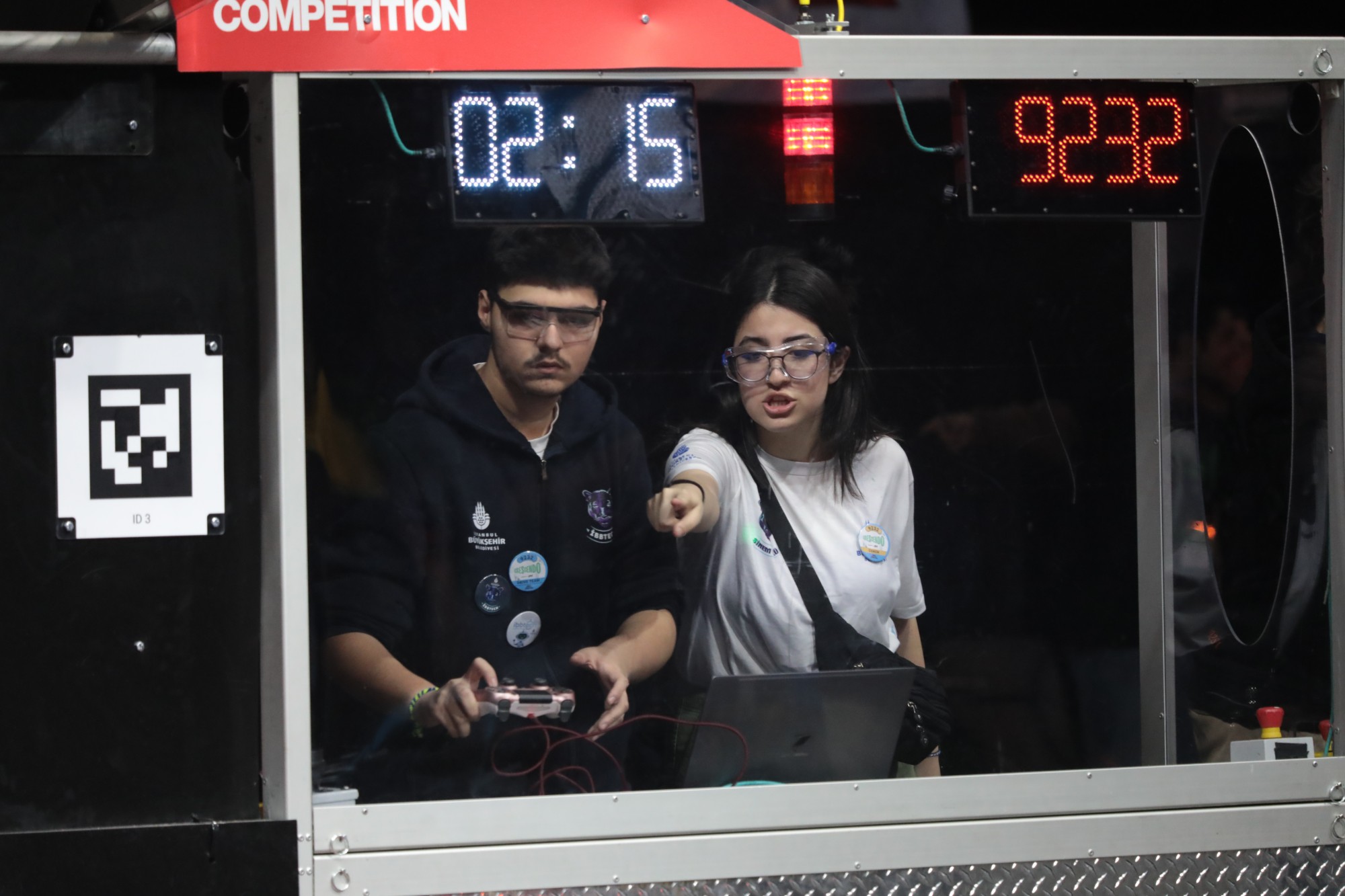
How might we increase gender equality and representation across technical roles in the international robotics community?
Led 40+ students across 3 years in international competitions including FIRST Robotics, VEX, and RoboChallenge.
Increased gender representation across all 6 departments by 56%, including software, hardware, and mechanical engineering.
Won 10+ international team awards and 2 individual leadership awards.
Drive station
When
2021–2022
Where
Istanbul, Turkey
Areas
Robotics · Teaching · Technology
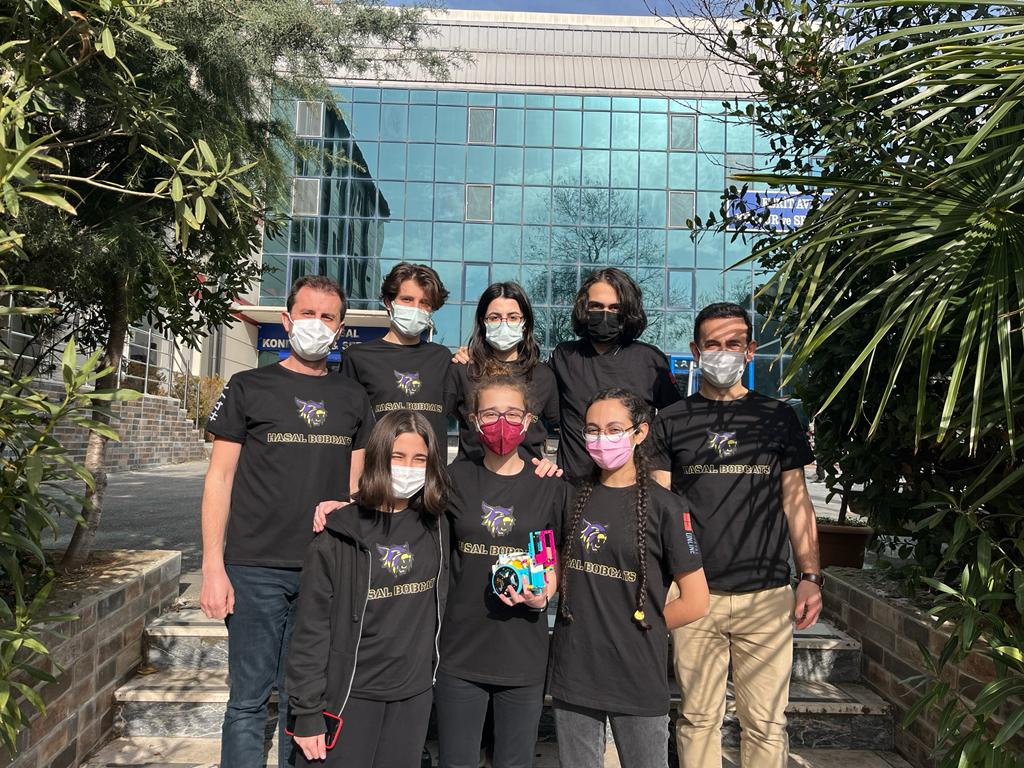
How might we build and fund a robotics organization from scratch to make robotics accessible to more students?
Founded and led a 10-member robotics team, independently fundraising to compete in FIRST LEGO League (FLL).
Built a lasting organization that has continued operating and mentoring 30+ future students.
Ranked 2nd in robot performance evaluations.
The Bobcats
Research02
When
2024
Where
Istanbul, Turkey
Areas
Research · Technology
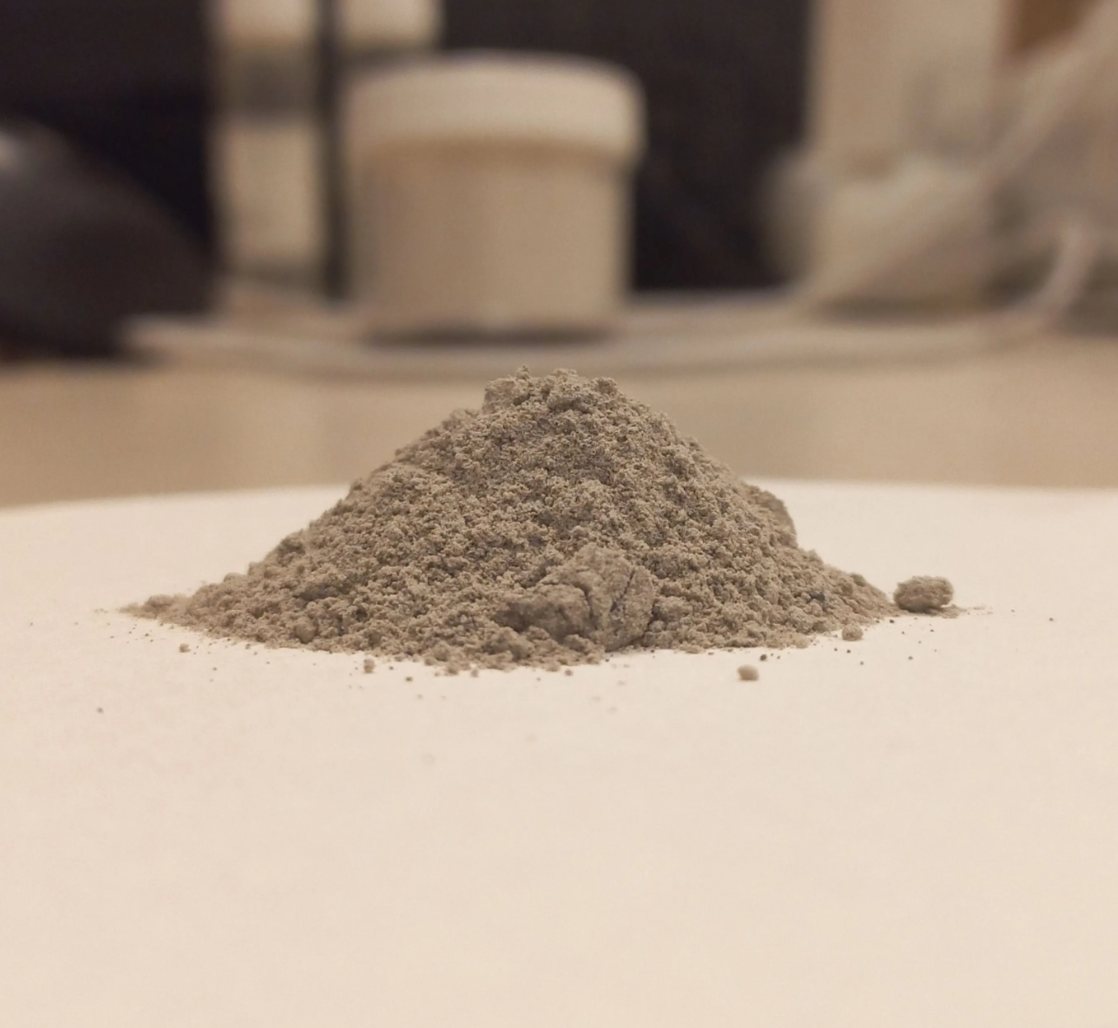
How might we engineer a lunar regolith simulant that accurately reproduces the physical and chemical properties of actual lunar soil?
Developed an optimization algorithm that achieved 98% similarity between the engineered simulant and lunar regolith.
Conducted mineral characterization using XRD, XRF, SEM, and TGA, performing chemical analyses on 5 minerals.
Joined the research group as its only high school researcher.
Lunar regolith simulant
When
2024
Where
Remote
Areas
Research · Technology · Design
How might we store energy sustainably on the Moon despite extreme temperature fluctuations between lunar day and night?
Designed a low-density, aluminum-stabilized superconducting magnetic energy storage (SMES) system to address weight constraints and material degradation in lunar environments.
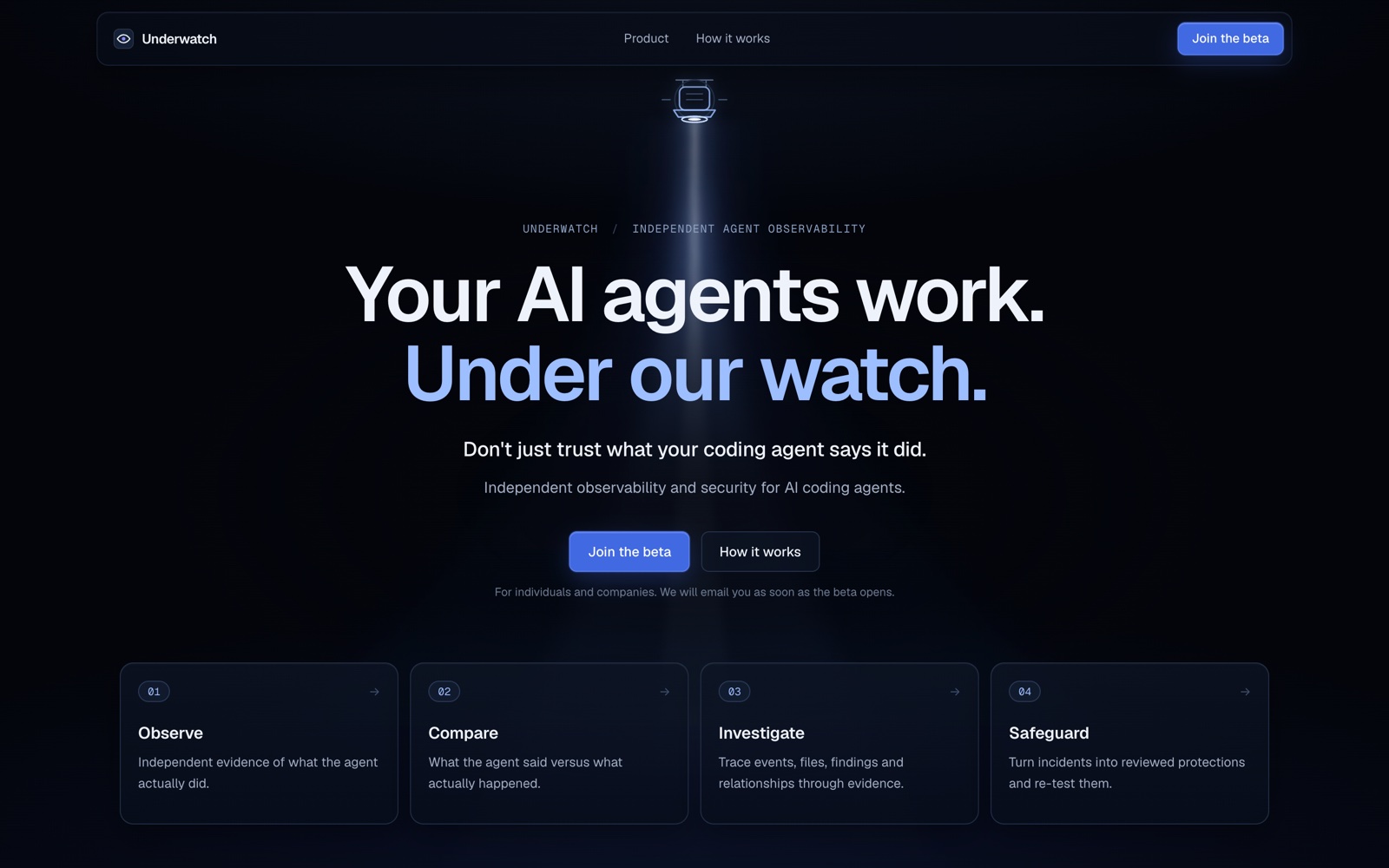
How might we make AI coding agents accountable for their actions by independently verifying what they access, execute, and transmit?
Built in response to security incidents such as the 2026 LiteLLM supply-chain compromise and AI agents accessing unauthorized production systems, Underwatch aims to help prevent similar incidents through independent monitoring and verifiable audit trails.
AI agents can report successful actions without providing reliable evidence of what actually happened. Underwatch independently monitors agent activity against system-level evidence, helping developers detect unauthorized file access, process execution, network activity, and potential data exposure.
Under the hood
Correlates agent-reported actions with independent system evidence to identify discrepancies and suspicious behavior.
Tracks file access, process execution, and network activity to expose credential theft, unauthorized access, and potential data exfiltration.
Connects activity traces through a Neo4j evidence graph to support security investigations and provide an auditable record of agent activity.
How might we make everyday reading more accessible for people with dyslexia through wearable augmented reality?
Reading text can create unnecessary friction for people with dyslexia. Relaxia uses OCR to capture real-world text through Brilliant Labs Frame smart glasses and displays it with customizable readability settings, allowing users to adjust fonts, spacing, and colors to their preferences.
Under the hood
Integrated Tesseract OCR to extract text from images captured by the Frame glasses.
Built customizable text formatting with OpenDyslexic font support, adjustable font size, line spacing, letter spacing, and color settings.
Connected a Next.js web interface to Python-based APIs and the Frame Python SDK to process, format, and display text directly on the glasses.
Recognition
Received $525 in funding from Merge to develop the project.
Selected as a finalist in Minerva University's Global Social Innovation Challenge.
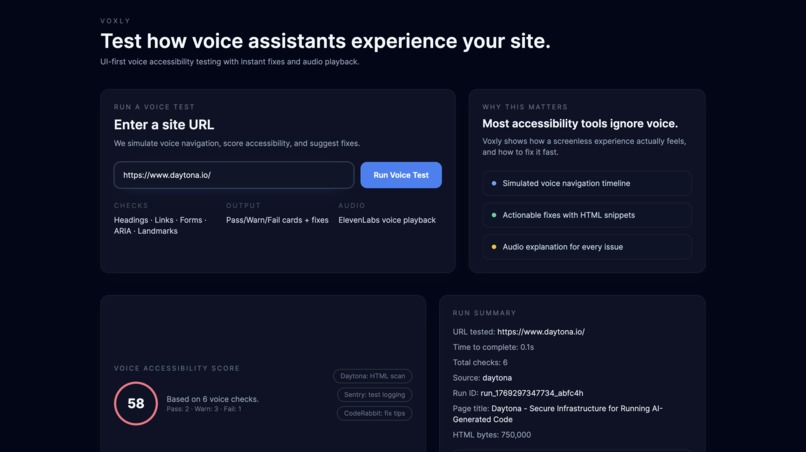
How might we help developers identify and fix accessibility barriers before they prevent people from using their websites?
A website can appear functional while remaining difficult or impossible to navigate with assistive technologies. Voxly simulates how screen readers and voice assistants interpret websites, identifies accessibility issues across six core checks, and generates AI-suggested code fixes alongside live audible demonstrations.
Under the hood
Uses Daytona to launch headless browser analysis, inspect the DOM, and extract headings, navigation, links, and form elements.
Passes detected accessibility issues to CodeRabbit for AI-generated code fix suggestions and uses ElevenLabs to turn explanations into audio demonstrations.
Built a React frontend and Node.js backend, with Sentry for error monitoring and Daytona-generated accessibility issue breakdowns.